

Spring Grain Bowl with Radish Sprouts & Soft-Boiled Egg
This bowl balances hearty grains with bright, early-season greens. The radish sprouts add a fresh peppery note that wakes everything up.
Ingredients
1 cup cooked farro or quinoa
2 soft-boiled eggs
1 cup radish sprouts
1 cup lightly dressed arugula or spinach
½ cup shaved carrots or thinly sliced radishes
¼ avocado, sliced
2 tablespoons toasted seeds or nuts
Simple Lemon Dressing
2 tablespoons olive oil
1 tablespoon fresh lemon juice
½ teaspoon Dijon mustard
Pinch sea salt
Fresh cracked pepper
Instructions
Bring a small pot of water to a gentle boil. Lower eggs in and cook for 6½ to 7 minutes. Transfer to ice water, then peel.
Layer warm grains in a bowl. Top with greens, radish sprouts, vegetables, and avocado. Drizzle with dressing. Halve the egg and place on top. Finish with seeds and a pinch of flaky salt.
The result is balanced and satisfying, with the sprouts adding texture and concentrated nutrients that mirror the energy of early spring.
The Big Clean-Up & Reset: A Gentle January Guide for Your Garden
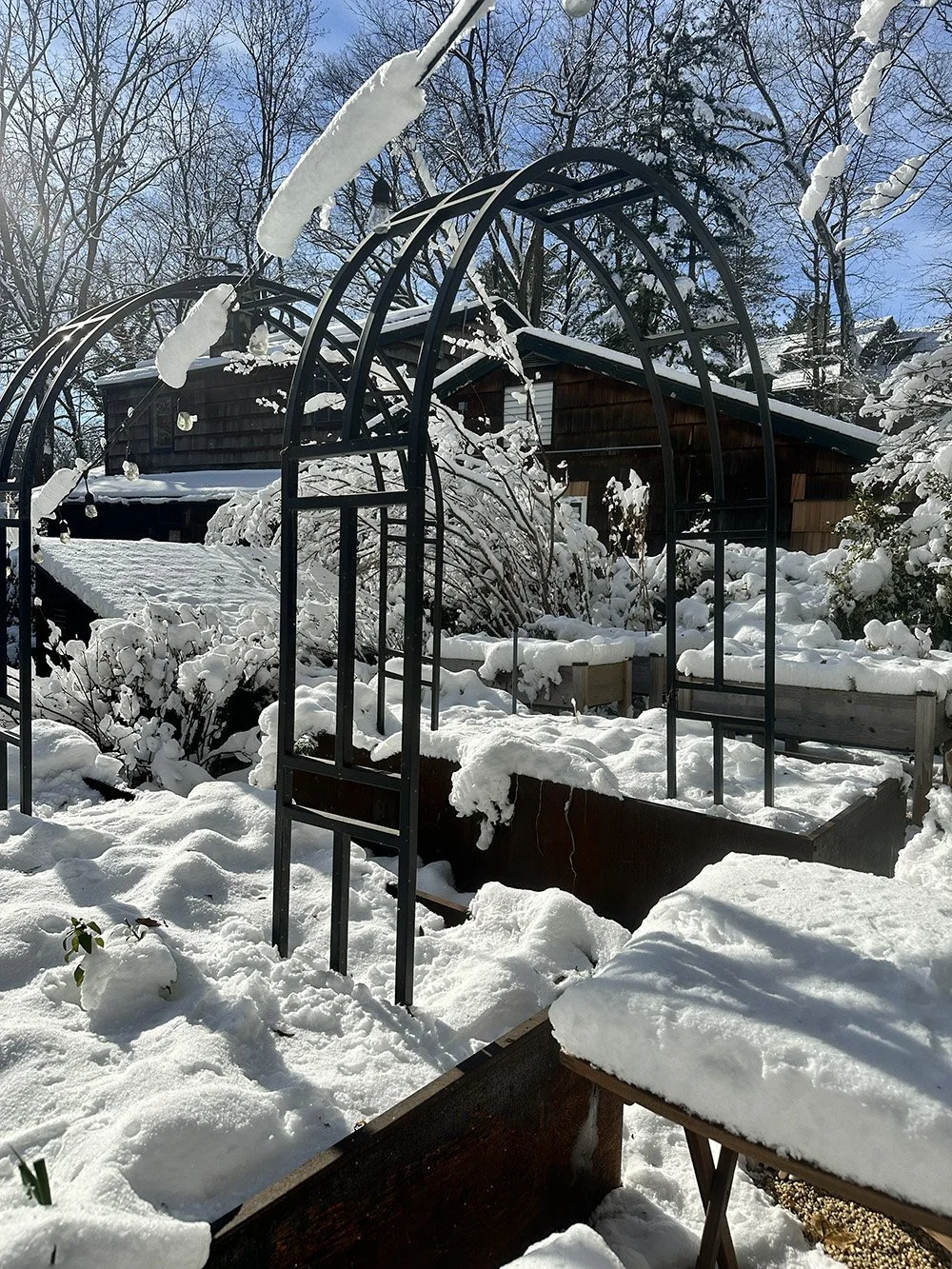
Outside, the kitchen garden is covered in snow. Beds that were once full of greens and herbs now look completely still. But beneath the surface, the garden hasn’t stopped working. Soil microbes are active. Roots are resting and repairing. Organic matter is breaking down, slowly building the foundation for what comes next.
There is a moment every January when the holiday buzz fades and what is left behind feels quiet. The tree has dropped its needles, the garland is starting to dry, the amaryllis that stole the show in December is suddenly bare. It can feel like the season is over.
Outside, the kitchen garden is covered in snow. Beds that were once full of greens and herbs now look completely still. Beneath the surface, however, the garden has not stopped working. Soil microbes remain active. Roots are resting and repairing. Organic matter continues to break down, slowly building the foundation for what comes next.
This is not an ending.
It is a reset.
January is an in-between season, one that invites us to clear what is finished, tend what is resting, and stay connected to the garden without rushing ahead.
What Is Happening Beneath the Snow
Under that blanket of snow, the soil is anything but empty. Microscopic life continues its slow and steady work. Bacteria break down organic matter. Fungi extend their quiet networks. Earthworms tuck themselves safely below the frost line.
Winter is when soil structure improves and nutrients are released gradually. The groundwork for spring is laid long before we ever see a green shoot.
The garden is not dormant.
It is preparing.
From Celebration to Soil: What to Do with Holiday Greenery
When the holidays wind down, one of the most common questions I hear is, what do I do with all this greenery now? The tree, the garland, the wreaths have done their job beautifully. They still have more to give.
If you chose a real Christmas tree or live garland, you have been working with living material all along. The goal now is not disposal. It is transition.
Christmas trees can be chipped into mulch, added to municipal compost programs, or cut into branches and laid along garden beds. Those branches help insulate soil, reduce erosion, and slowly break down into organic matter.
Live garland and wreaths made from evergreen boughs can be cut down and layered into compost piles, tucked beneath shrubs, or used as loose mulch in ornamental beds. As they decompose, they feed the soil and support microbial life through winter.
If you have the space, a small brush pile in a quiet corner of the yard can provide shelter for birds and beneficial insects and serve as a reminder that not everything needs to be tidied away immediately.
This part of the cleanup is not about erasing the season that just passed.
It is about closing the loop and letting celebration feed the soil.
Winter Interest That Works: Arctic Fire Dogwood
One of the plants I notice most at this time of year is Arctic Fire dogwood. When much of the garden fades into browns and grays, its deep red stems glow against snow and winter light. It is a reminder that winter interest is not an afterthought but a design choice.
Beyond its beauty, Arctic Fire dogwood earns its place in the garden year-round. Its roots help stabilize soil through freeze and thaw cycles. Fallen leaves contribute organic matter. Its structure supports wildlife when resources are scarce.
In winter, it provides color and form.
In spring and summer, it blends quietly into the landscape.
In fall, it begins its slow return to prominence.
Plants like this remind us that a garden does not need to be flashy to be alive. Consistency often matters more.
After the Bloom: Caring for Amaryllis
When an amaryllis finishes blooming, it can feel anticlimactic. The dramatic flowers fade, the stalk yellows, and the plant suddenly looks ordinary. This is often the moment people assume it is finished.
It is not.
Once the flowers fade, cut the spent flower stalk back to about an inch above the bulb, but leave the leaves intact. Those long, strappy leaves are doing essential work now, photosynthesizing and storing energy so the bulb can recharge.
Place the plant in bright, indirect light and continue watering lightly, allowing the soil to dry slightly between waterings. This is not a forcing phase. It is a steady and supportive one.
Caring for an amaryllis after bloom is a reminder that gardening is not only about peak moments. The in-between stages matter just as much.
Winter Rituals: Staying Connected Through Herbal Tea
When the garden feels far away, small rituals help bridge the distance. One of my favorites is making tea from herbs grown and dried during the warmer months.
Dried herbs carry more than flavor. They hold memory. Sun, soil, and the rhythm of harvest. A simple cup of mint, lemon balm, thyme, or chamomile tea can bring the garden back into focus on even the grayest winter day.
To make herbal tea, use about one teaspoon of dried herbs per cup of hot water. Cover while steeping for five to ten minutes, then strain. Precision is not required. The ritual matters more than the recipe.
These small acts, watering a houseplant, brewing tea, jotting down garden notes, keep us connected until the soil is ready again.
A Gentle Pause Before What Comes Next
January does not ask us to plan everything. It asks us to notice.
To clear what is finished.
To tend what is resting.
To stay in quiet conversation with the garden, even when it looks still.
This is the season of small resets and steady care. Nothing flashy. Nothing rushed. Just thoughtful attention.
When it is time to plan and plant again, the garden will let us know.
For now, this is enough.

Late-Season Tomato Soup With Caramelized Shallots & Basil
A silky, comforting way to use every last tomato hanging on in November.
Ingredients
• 2–3 lbs late-season tomatoes (red, half-ripe, mixed varieties all welcome)
• 4–5 large shallots, thinly sliced
• 4 cloves garlic, smashed
• 2 tbsp olive oil
• 1 tbsp butter (optional but highly recommended)
• 1–2 cups vegetable or chicken broth
• Handful of fresh basil leaves (plus more for topping)
• 1–2 tsp sugar (only if your tomatoes are extra tart)
• Salt + pepper
• Splash of heavy cream or coconut milk (optional)
Instructions
1. Caramelize the shallots.
Add olive oil (and butter if using) to a pot over medium heat.
Add sliced shallots and a pinch of salt.
Cook low and slow for 10–15 minutes until soft, golden, and sweet.
(This is where the magic starts.)
2. Add garlic + tomatoes.
Stir in the smashed garlic and cook 1 minute.
Add your chopped late-season tomatoes — no need to peel, core, or fuss.
Cook until they start to break down.
3. Add broth + simmer.
Pour in 1 cup broth, adding more if you like a thinner soup.
Simmer 20–30 minutes, until everything is soft and cozy.
4. Blend it smooth.
Use an immersion blender right in the pot, or pour into a blender (carefully!).
Blend until silky.
5. Season + finish.
Add salt, pepper, and a tiny pinch of sugar only if needed.
Tear in the basil leaves and swirl in a splash of cream if you want extra luxury.
6. Taste → adjust → enjoy.
Drizzle with olive oil, top with more basil, or pair with grilled cheese.
It’s late-season tomato heaven.
Why this works:
Caramelized shallots bring sweetness, late-season tomatoes bring depth, and basil keeps it fresh.
It tastes like summer’s last whisper — warm, cozy, and absolutely perfect.
March Weekends in the Garden: A Gentle Awakening
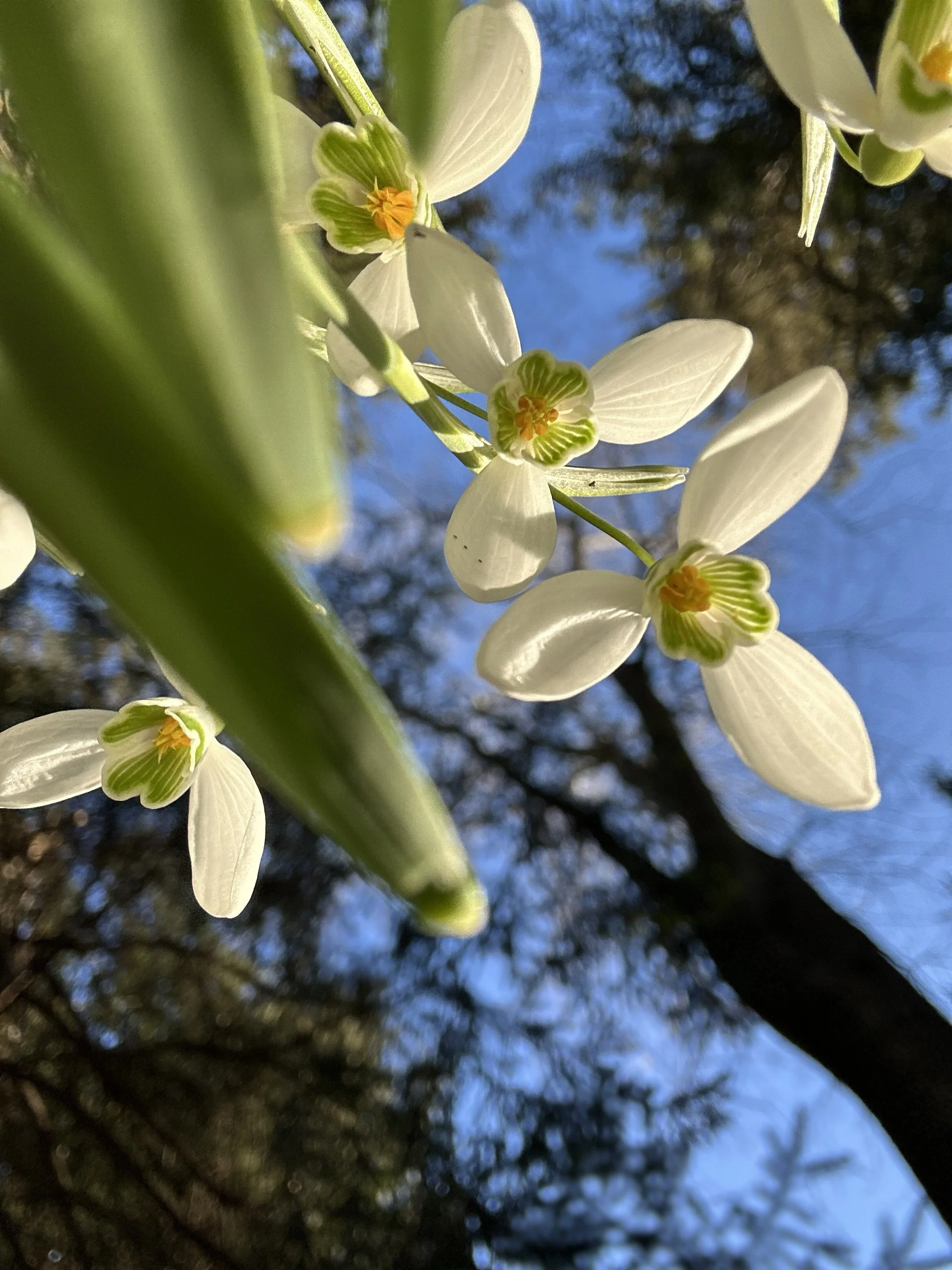
Tiny white bells, nodding gently on green stems—snowdrops, one of the first brave bloomers of the season. These small but mighty flowers push up through cold soil, through leaf litter and even light frost, as if to say, Don’t worry, spring is coming. Their resilience is a quiet encouragement that warmer, longer days are on the way.
March is that in-between month where winter still lingers, but spring is undeniably stirring. The weekends bring a mix of crisp air and the occasional burst of warmth, the kind that makes you throw on a jacket and head outside, eager to shake off winter’s grip on the garden. There’s work to be done—cleaning, pruning, and clearing away the remnants of colder days—but also small moments of beauty, like the first snowdrops poking through the soil, reminding us that spring is just around the corner.
Clearing Away Winter’s Leftovers
The first order of business? Clearing out the mess winter left behind. Leaf debris, fallen twigs, and soggy, forgotten pots need to be tidied up to give the garden a fresh start. Wet, compacted leaves can smother emerging plants and create a haven for pests, so raking them up isn’t just about appearances—it’s about giving everything beneath a chance to breathe.
Pots that sat out all winter often need attention, too. If you’ve left containers filled with soil, now’s the time to check for waterlogged roots or cracks from the freeze-thaw cycle. Emptying, scrubbing, and refilling them with fresh soil gets them ready for new plantings.
Pruning for a Fresh Start
March is a great time to prune boxwoods and other shrubs before they put on new growth. For boxwoods, this means shaping them carefully—just enough to encourage air circulation and maintain their form, but not so much that you cut into old wood, which can be slow to recover. For other deciduous shrubs, removing dead or damaged branches helps direct energy into healthy new growth. And if you have hydrangeas, now’s the time to figure out what kind you have—some bloom on old wood, and you don’t want to accidentally snip off this year’s flowers.
The First Signs of Spring
Just as you’re elbow-deep in garden cleanup, grumbling about how much there is to do, something catches your eye. Tiny white bells, nodding gently on green stems—snowdrops, one of the first brave bloomers of the season. These small but mighty flowers push up through cold soil, through leaf litter and even light frost, as if to say, Don’t worry, spring is coming. Their resilience is a quiet encouragement that warmer, longer days are on the way.
So while March weekends may still require gloves and a warm cup of tea afterward, they also bring the first hopeful signs of life returning to the garden. A little pruning, a little tidying, and a few snowdrops later, and suddenly, winter doesn’t feel quite so endless anymore.

Starting Seeds at Home: The Foolproof Method for Success
So, you want to start seeds at home? Fantastic. Nothing makes you feel more like a competent adult than growing your own food or flowers from tiny specks of potential. Plus, it's way cheaper than buying plants at the nursery, and you get bragging rights when your tomatoes taste better than your neighbor’s. (They will.)
But let’s be real—seed starting can feel a little overwhelming at first. There’s soil, containers, lights, watering schedules… it’s enough to make a person just buy basil at Trader Joe’s and call it a day. But not you! You’ve got this. And I’m here to make sure you don’t end up with a tray of sad, moldy dirt.
So, you want to start seeds at home? Fantastic. Nothing makes you feel more like a competent adult than growing your own food or flowers from tiny specks of potential. Plus, it's way cheaper than buying plants at the nursery, and you get bragging rights when your tomatoes taste better than your neighbor’s. (They will.)
But let’s be real—seed starting can feel a little overwhelming at first. There’s soil, containers, lights, watering schedules… it’s enough to make a person just buy basil at Trader Joe’s and call it a day. But not you! You’ve got this. And I’m here to make sure you don’t end up with a tray of sad, moldy dirt.
Step 1: Choose Your Seeds Wisely
Before you start throwing seeds into soil like a toddler with a handful of Cheerios, let’s make sure you’re planting the right ones in the right place.
🌱 Best Seeds for Starting Indoors (because they’re divas and need a head start):
Vegetables: Tomatoes, peppers, eggplants, broccoli
Herbs: Basil, parsley, oregano
Flowers: Zinnias, cosmos, snapdragons
📌 Pro Tip: If you’re starting seeds indoors, read the seed packet. I know, I know—reading instructions is annoying. But they’ll tell you important things like how deep to plant the seeds and whether they need light to germinate. Trust me, it’s worth the 10 seconds.
Step 2: Gather Your Supplies (No, You Don’t Need Fancy Stuff)
Forget overpriced gardening gadgets. Here’s what you actually need:
✔️ Containers: Recycled yogurt cups, egg cartons, actual seed trays… just make sure they have drainage holes. Plants hate wet feet.
✔️ Seed-Starting Mix: This is NOT the same as potting soil. It’s lighter, fluffier, and won’t suffocate your seedlings.
✔️ Light Source: A sunny window might (probably not) work, but grow lights will keep your seedlings from growing all tall and spindly.
✔️ Humidity Help: A plastic dome, a Ziploc bag, or the clear container your grocery store cookies came in—whatever keeps the moisture in without drowning the poor things.
💡 DIY Hack: Those rotisserie chicken containers from Costco? Instant mini greenhouse. You’re welcome.
Step 3: Plant Like a Pro (or at Least Pretend You Know What You’re Doing)
Now comes the fun part—burying seeds in dirt and hoping for the best. Here’s how to do it properly:
Fill your containers with seed-starting mix. Don’t pack it down like you’re making an espresso shot. Fluff is your friend.
Plant the seeds at the right depth. This is NOT the time to go rogue. Follow the seed packet instructions. Tiny seeds usually sit right on top, while bigger seeds go deeper.
Water gently. Use a spray bottle or drizzle water like you’re adding dressing to a fancy salad. No floods, please.
🚨 Common Mistakes:
❌ Burying seeds too deep.
❌ Overwatering—mushy soil = dead seedlings.
❌ Forgetting to label—trust me, you will forget what you planted where.
Step 4: Keep ‘Em Alive (The Hardest Part, TBH)
Here’s what your seeds need to sprout into the glorious plants they were meant to be:
🌞 Light: 12-16 hours a day.
🌡️ Warmth: 65-75°F is the sweet spot. A heat mat speeds things up, especially for tomatoes and peppers.
💦 Water: Keep the soil moist but not soggy. If you’re overwatering, your seedlings will keel over in protest.
📌 Troubleshooting Time:
🚨 Mold? You’re watering too much. Let them breathe.
🚨 Leggy seedlings? Not enough light. Move them closer to the light source.
🚨 Nothing is sprouting? Check the seed age. Old seeds = sad, lifeless dirt.
Step 5: Transplanting Without Killing Everything
Once your seedlings have two sets of real leaves, it’s time to harden them off before sending them into the cruel, unpredictable world of your backyard.
🔄 The Hardening Off Process (a.k.a. Seedling Boot Camp):
Day 1: Put them outside in the shade for an hour.
Days 2-6: Increase outdoor time each day, moving them into partial sun.
Day 7-10: They’re tough enough for full sun and longer exposure.
After a week or so, transplant them into your garden like the proud plant parent you are.
💡 Pro Tip: Transplant in the late afternoon or on a cloudy day to avoid sun shock. Your plants will thank you.
Final Thoughts: You’re Basically a Gardening Legend Now
Starting seeds at home is ridiculously satisfying—and once you nail it, you’ll never go back to store-bought plants. It’s cheaper, more fun, and let’s be honest… it gives you bragging rights.
So, what are you planting this season? 🌱✨